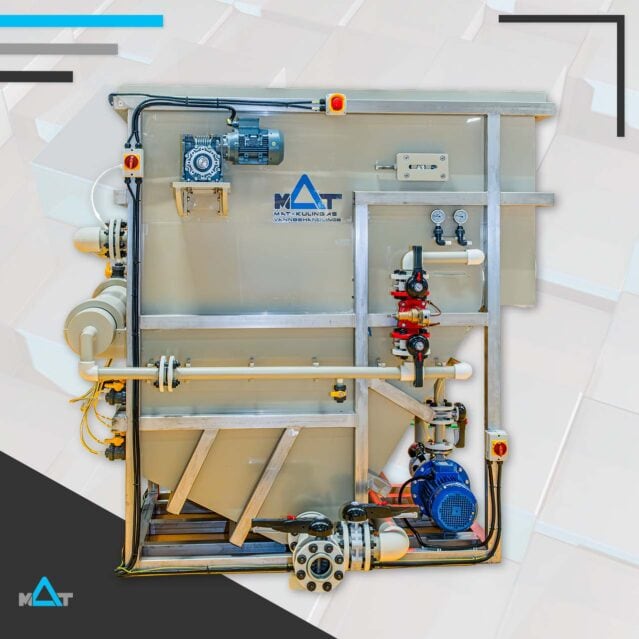
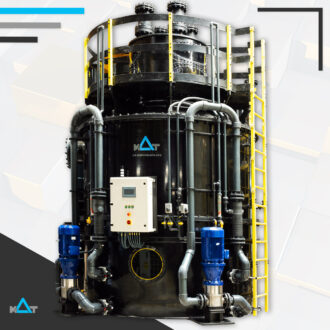
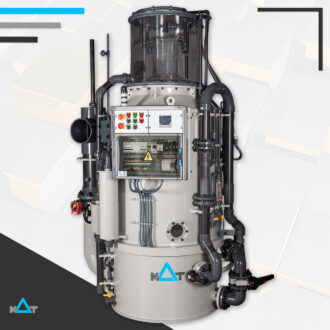
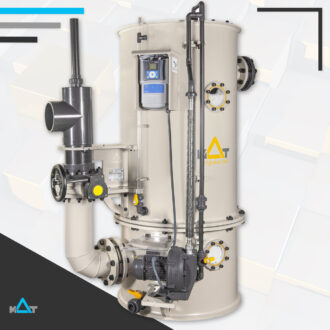
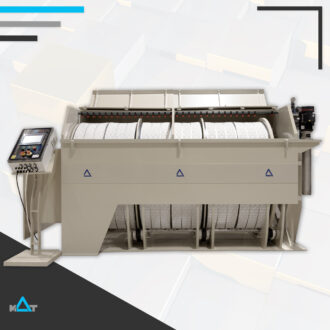
The Dissolved Air Flotation (DAF) by MAT-KULING is a superior physical/chemical technology designed to treat a variety of industrial and municipal processes and wastewater streams. DAF systems are widely implemented to achieve multiple treatment objectives such as:
Plant Discharge Wastewater Treatment and Recovery
Food Packing, Processing Plant Discharge Water Treatment
Land-Based Aquaculture Discharge Water Treatment
Pretreatment for sewer discharge compliance
Reduction of loading on downstream biological systems
Polishing of biological treatment effluent
Biosolids thickening
MAT-KULING Compact RAS (CRAS) for Intensive Aquaculture Applications
Our DAF systems effectively remove total suspended solids (TSS), biochemical oxygen demand (BOD), and oils and greases (O&G) from wastewater by utilizing a dissolved air-in- water solution produced by injecting air under pressure into a recycle stream of clarified DAF effluent. This solution is mixed with incoming wastewater, where the dissolved air forms micron-sized bubbles that attach to contaminants, facilitating their removal and achieving a reduction of total suspended solids by up to 90%, reducing the COD and obtaining a sludge dryness of around 6%.
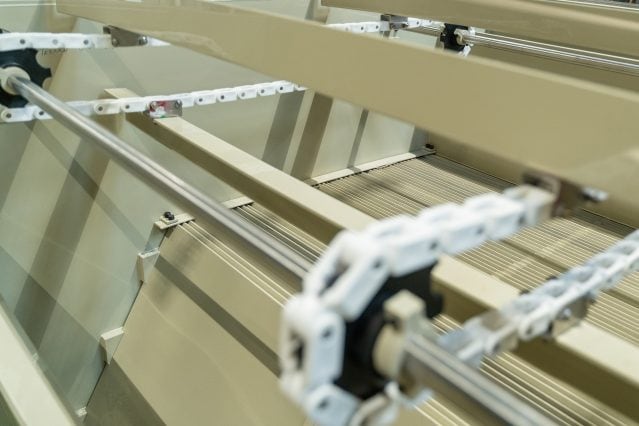
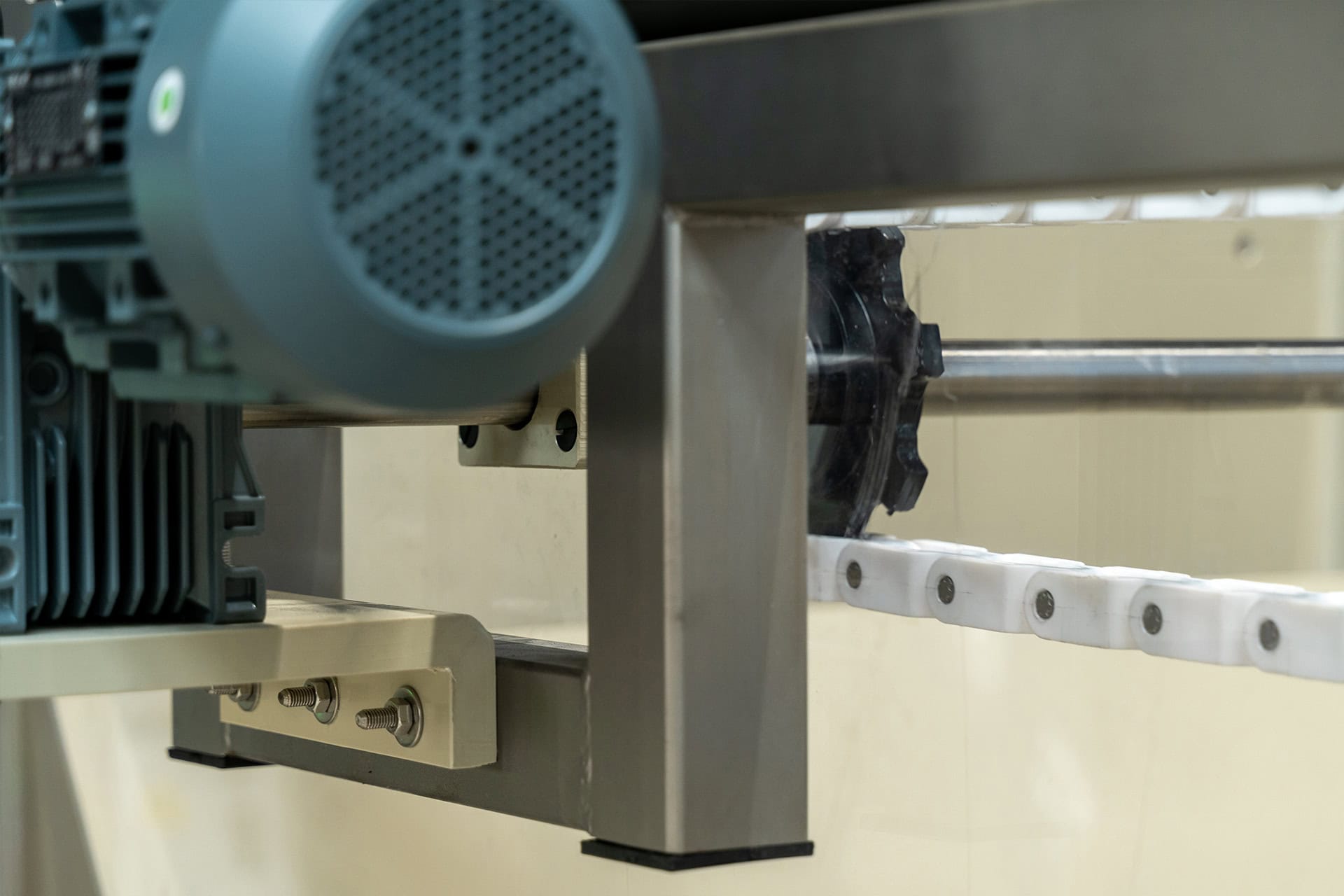
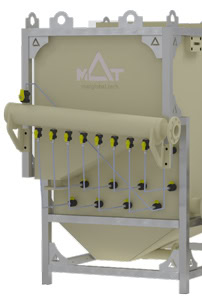
DAF Automated Scraper Skimmer
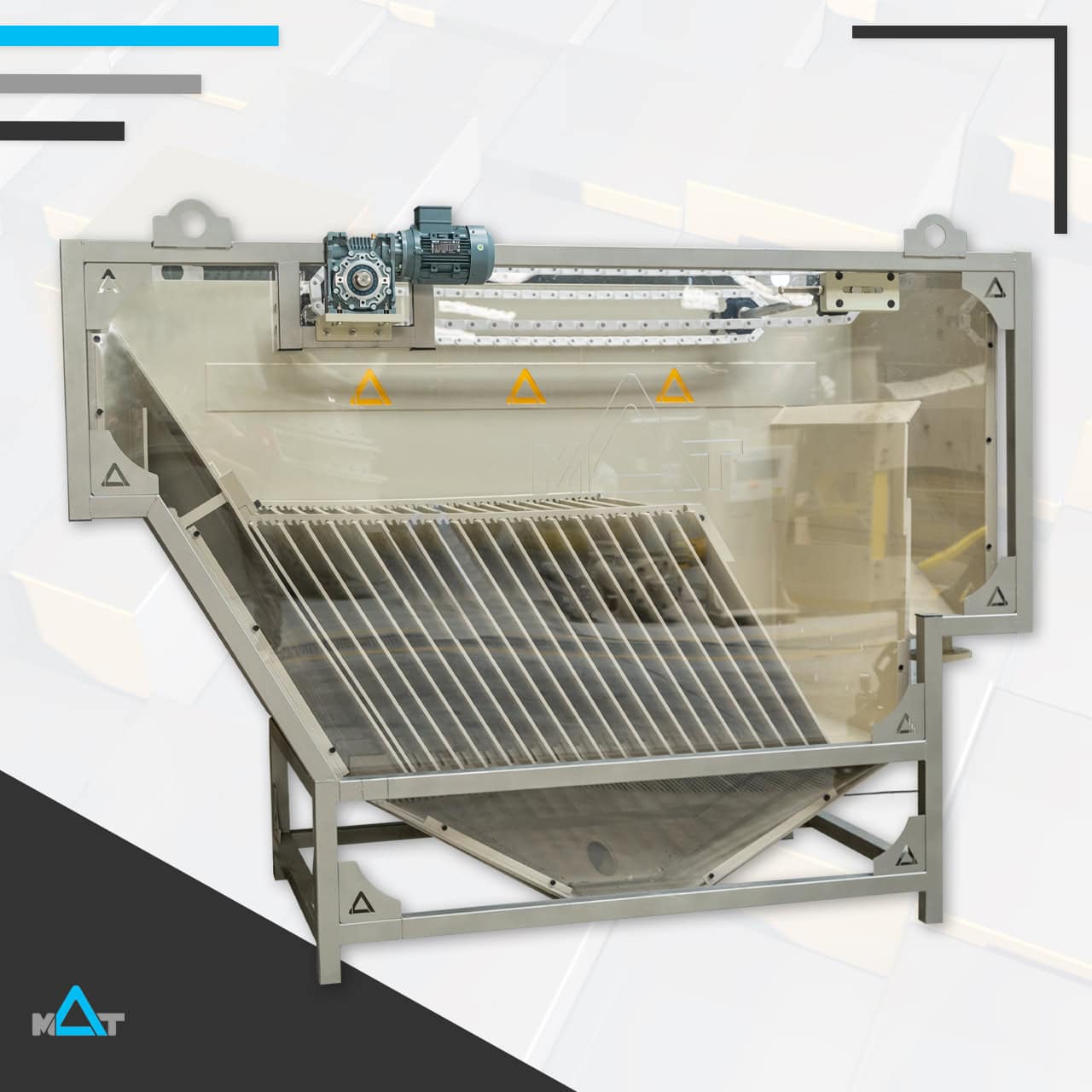
MAT-KULING DAF system is an extensive surface flotation clarification unit with crossflow separation capabilities for sludge and water. Designed to handle wastewater streams heavily loaded with suspended solids and various impurities, this system provides a vast flotation area to effectively manage the separated sludge capable of processing up to 40 kg of dry matter per square meter.
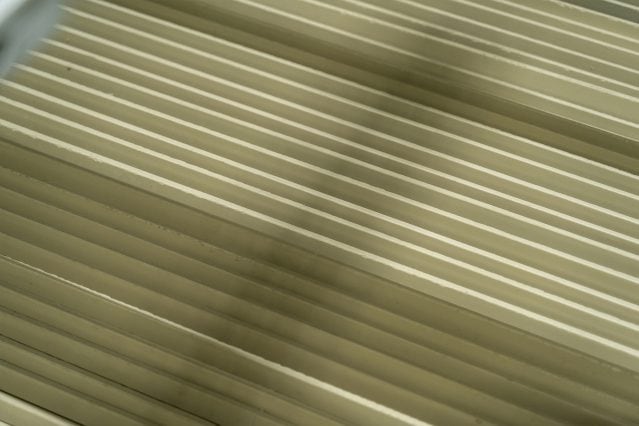
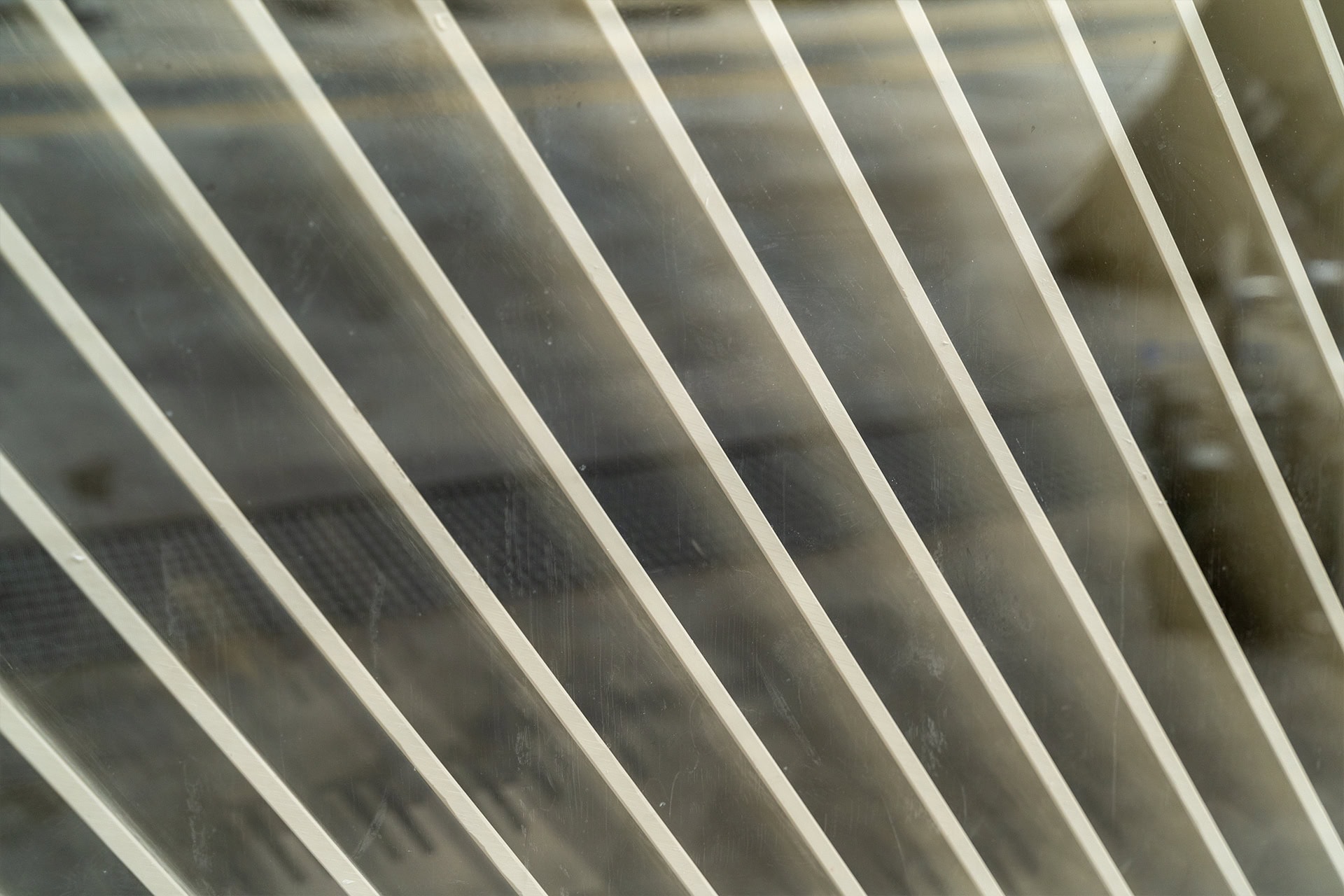
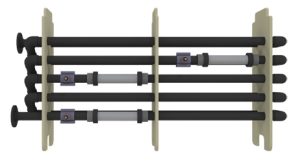
DAF Lamella plate pack
Advantages of DAF
Pre-Assembled, Skid-Mounted Configuration – Delivers a ready-toinstall setup, minimizing the need for on-site assembly.
Non-Corrosive Tank Construction from PP & PE: Engineered for durability – The tank is designed to resist flexing under operational stress. – Available in also 304, 316, and 316L Stainless Steel tank constructions.
Space-Efficient Design with Integrated Plate Pack: – Ideal for spaceconstrained environments, offering compact and efficient use of space.
Uniform High-Quality Production and Advanced Manufacturing: -Ensures consistent and superior product quality, leveraging cutting-edge production technology.
Streamlined Flow for Enhanced Separation Efficiency: – Improves the effectiveness of the separation process, leading to better contaminant removal.
Efficient Rectangular Design: – Maximizes space utilization with its compact rectangular shape.
High-Quality Drive and Pump Components: -Ensures long-term dependability with premium quality components.
Customization Options Available with Minimal Effect on Delivery Timelines or Costs
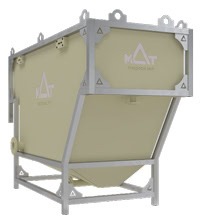
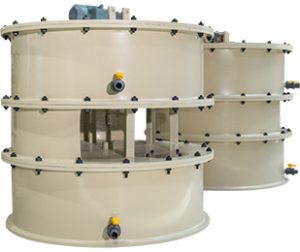
The Flotation Tank is the main vessel where the actual separation process occurs. The pressurized white water is released into the flotation tank. The sudden reduction in pressure releases the dissolved air in the form of tiny bubbles which motivate particles in the wastewater will ascend to the surface. The Flotation tank is made of fully non-corrosive thermoplastic material and optionally from steel. The Tank provides surface area for the flotation of air and flocculated particles (float).
However, MAT-KULING DAF units employ the use of inclined lamella plates in the flotation tank optionally to augment the separation of solids.
Automated scraper/skimmer
Automated Scraper Skimmer
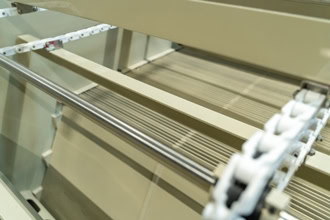
An automated scraper/skimmer mechanism continually removes these floating particles. As the bubbles rise, they carry the suspended particles with them to the surface, forming a froth/foam layer. A skimmer mechanism is used to remove this sludge from the surface of the water. The surface skimmer is designed for the efficient removal of floating materials from the surface of the flotation cell. This system commonly employs a chain of flights, driven by a variable-speed, timer-operated mechanism. As an optional addition, a bottom skimmer or auger can be incorporated for the removal of settled solids from the bottom of the flotation unit.
Lamella plate pack
The system incorporates a lamella plate pack, which expands the unit's separation surface, ensuring the removal of even minuscule flocs, thereby enhancing the compactness of the unit.
Pressurized white water unit
The pressurized white-water unit provides recirculation and aeration. This set of devices includes a recirculation pump, an air compressor(externally), and a pressurized tank to generate air bubbles that aid in the separation of particles within the wastewater. The implementation of a pressurized white-water unit, generating bubbles ranging from 35 to 65 microns, significantly boosts separation efficiency. The rationale behind this is straightforward: smaller bubbles have a greater surface area relative to their volume, allowing for more effective adherence to particles, and thereby enhancing the overall efficacy of the flotation system.
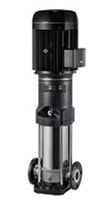
Recirculation pump
Recirculation Pump
MAT-KULING DAF systems include a recirculation pump to recycle a portion of the treatment flow (20-30%) back into the DAF system. This helps to maintain a constant flow and pressure in the system, enhancing efficiency and providing water for the pressurized white-water system.
Pressure Tank (Contact Chamber)
Pressure Tank (Contact Chamber)
Pressure Tank (Contact Chamber) is where the pressurized water and air are mixed. The high pressure in the tank dissolves the air into the water and generates white water. The air compressor (external) is used to introduce air into the water under high pressure. This is a critical component as the size and quantity of the air bubbles formed significantly affect the efficiency of the flotation process.
Flocculators
Flocculators
Flocculators introduce chemicals into water to enhance the flotation process. The Pipe Flocculator follows the in-line process, combining coagulation, flocculation, and pH adjustment in a controlled environment. Its design ensures uniform retention time and consistent mixing energy, leading to the formation of uniform flocs with excellent separation properties.
Coagulants
Coagulants are chemicals added to the water to cause destabilization of colloidal particles. They neutralize the electrical charges of particles in the water, which obstructs their ability to repel each other. This action allows the particles to come closer together, forming larger particles (microflocs). Common coagulants include aluminum sulfate, ferric chloride, and PAC (Polyaluminum chloride). After coagulation flocculants are added to gather the microflocs into larger flocs. These are larger, more complex molecules that facilitate the binding together of the destabilized particles. Flocculants are essentially long-chain polymers that increase the size of the flocs, making them heavier and easier to remove through the flotation process in the DAF system.
The efficiency of clarification hinges on the accurate selection and dosing of coagulants, flocculants, and pH adjusting agents, coupled with precise process control. With proper application, chemical precipitation can eliminate up to 90% of suspended solids, reduce BOD5 by up to 80%, and remove 90% of bacteria.
Polyelectrolyte preparation system
Polyelectrolyte Preparation System
In Dissolved Air Flotation (DAF) systems, a polyelectrolyte preparation system is typically used for preparing and dosing flocculants. Polyelectrolytes, which are long-chain polymer compounds, act as flocculants. They are effective in binding the smaller floc particles formed by coagulants into larger, more settleable, or floatable aggregates.
The preparation system for polyelectrolytes usually involves mixing the polymer (which can be in liquid or powder form) with water to achieve the desired concentration, followed by maturation and dosing. This process ensures that the flocculant is evenly distributed and fully functional when introduced into the DAF system.
In contrast, coagulants, which are typically simple, inorganic salts like aluminum sulfate or ferric chloride, don't require such extensive preparation and are often dosed directly in their original form from their holding tank. The polyelectrolyte preparation system typically involves the mixing of a dry polyelectrolyte powder or liquid concentrate with water to create a solution. This process is usually carried out in a batch mode in a dedicated tank. The system consists of facilities for storage, metering, and mixing polyelectrolytes with water.
Coagulant Dosage pumps and Caustic Dosing pumps
Coagulant Dosage pumps
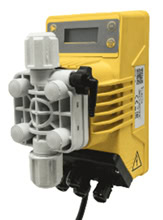
Coagulant Dosage pumps inject coagulants (like aluminum or iron salts) into the water. The coagulants neutralize the electrical charges of particles in the water, causing them to clump together, making them easier to remove.
Caustic dosing pumps add substances like sodium hydroxide to the water. This adjusts the pH level, optimizing conditions for coagulation and flocculation processes.
Proper dosing by these pumps ensures efficient removal of suspended particles and colloids, leading to clearer, cleaner water post-treatment. These pumps can be automated for precise control of chemical dosages, ensuring consistent water treatment quality while minimizing chemical usage and cost.
The sludge pump or Sludge Screw Extractor
The Sludge Pump
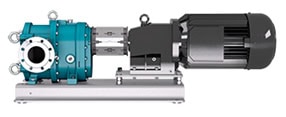
The sludge pump or Sludge Screw Extractor in a DAF system is vital for the efficient operation of the process, enabling the continuous removal of contaminants, preventing system disruptions, and facilitating the further handling of the removed sludge. Additionally, the system may be fitted with automatic valves designed for the expulsion of any sediment that settles at the bottom.
Controller Unit
Controller Unit
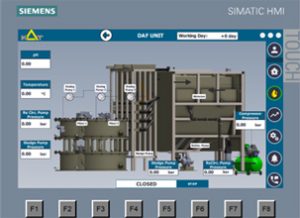
The Controller Unit is essential for monitoring and controlling the DAF process. It ensures the proper balance of air pressure, water flow, and skimming rate to optimize the flotation process for different types of waste.
Dissolved Air Flotation Systems (DAF) - SPECIFICATIONS