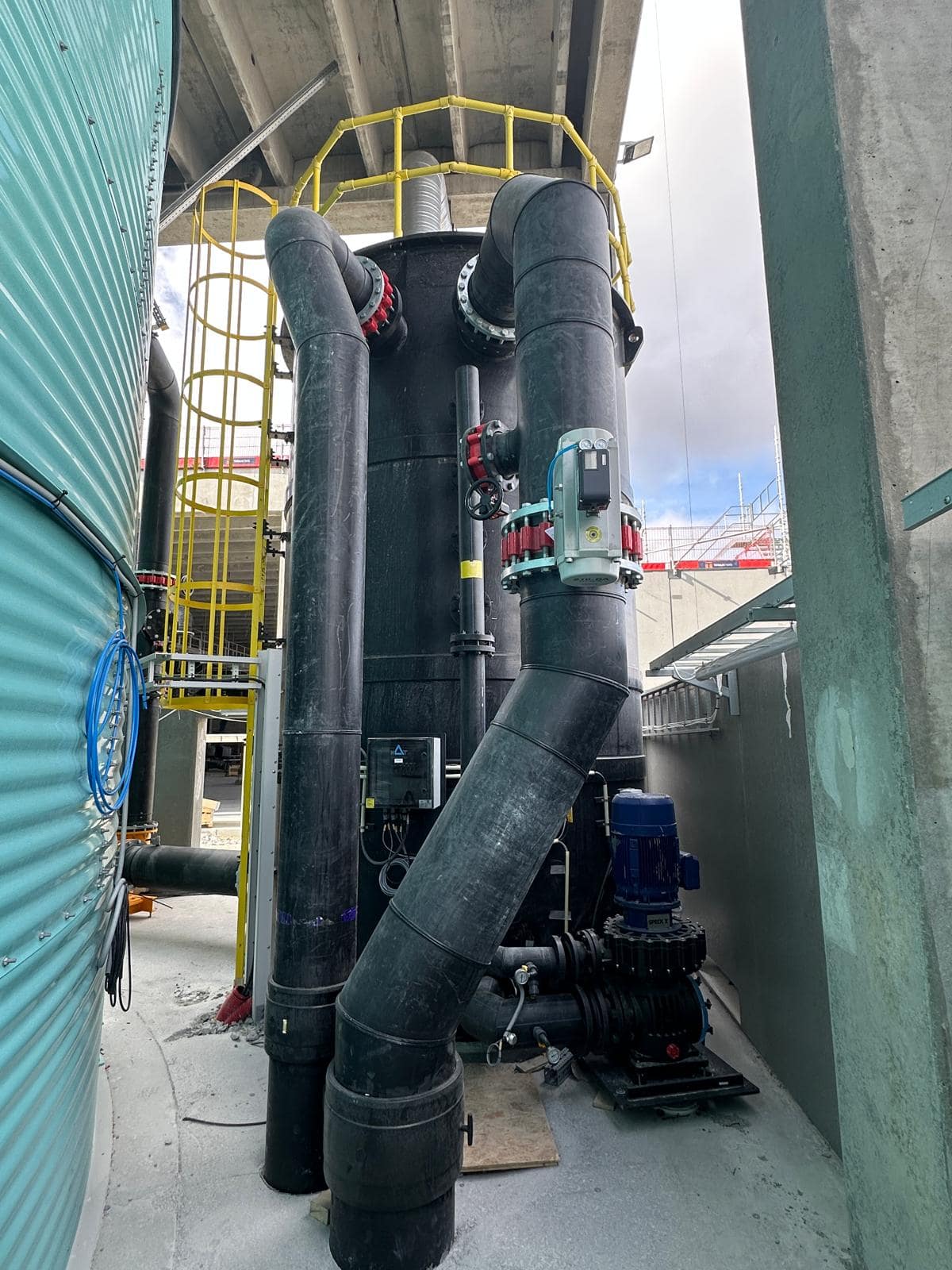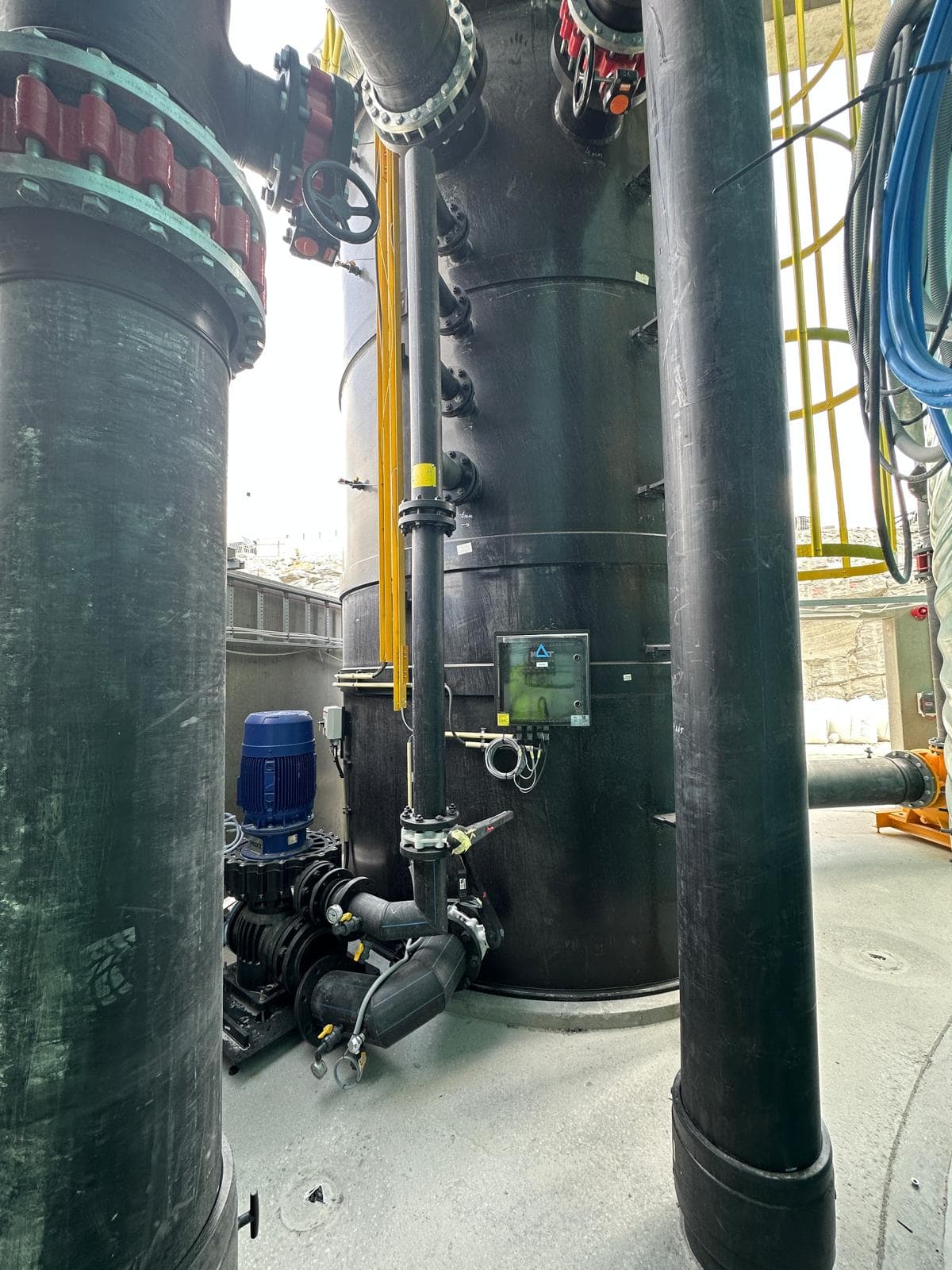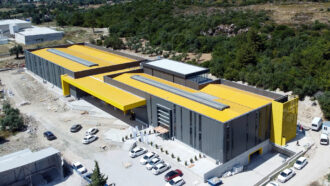
MAT-KULING delivers the world’s largest prefabricated degassing tower to Arctic Seafarm’s facility at Nesna.
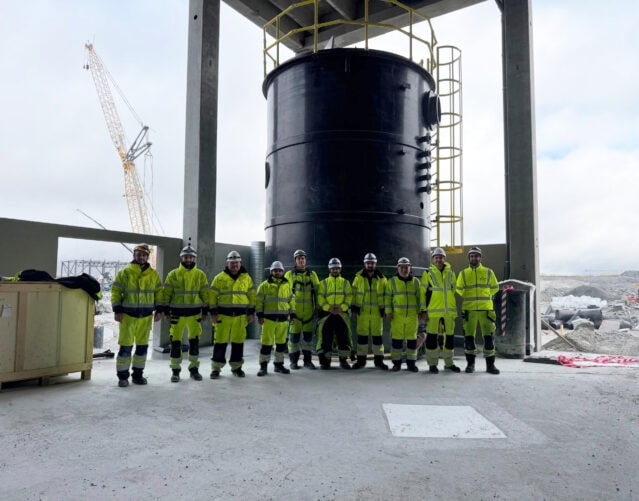
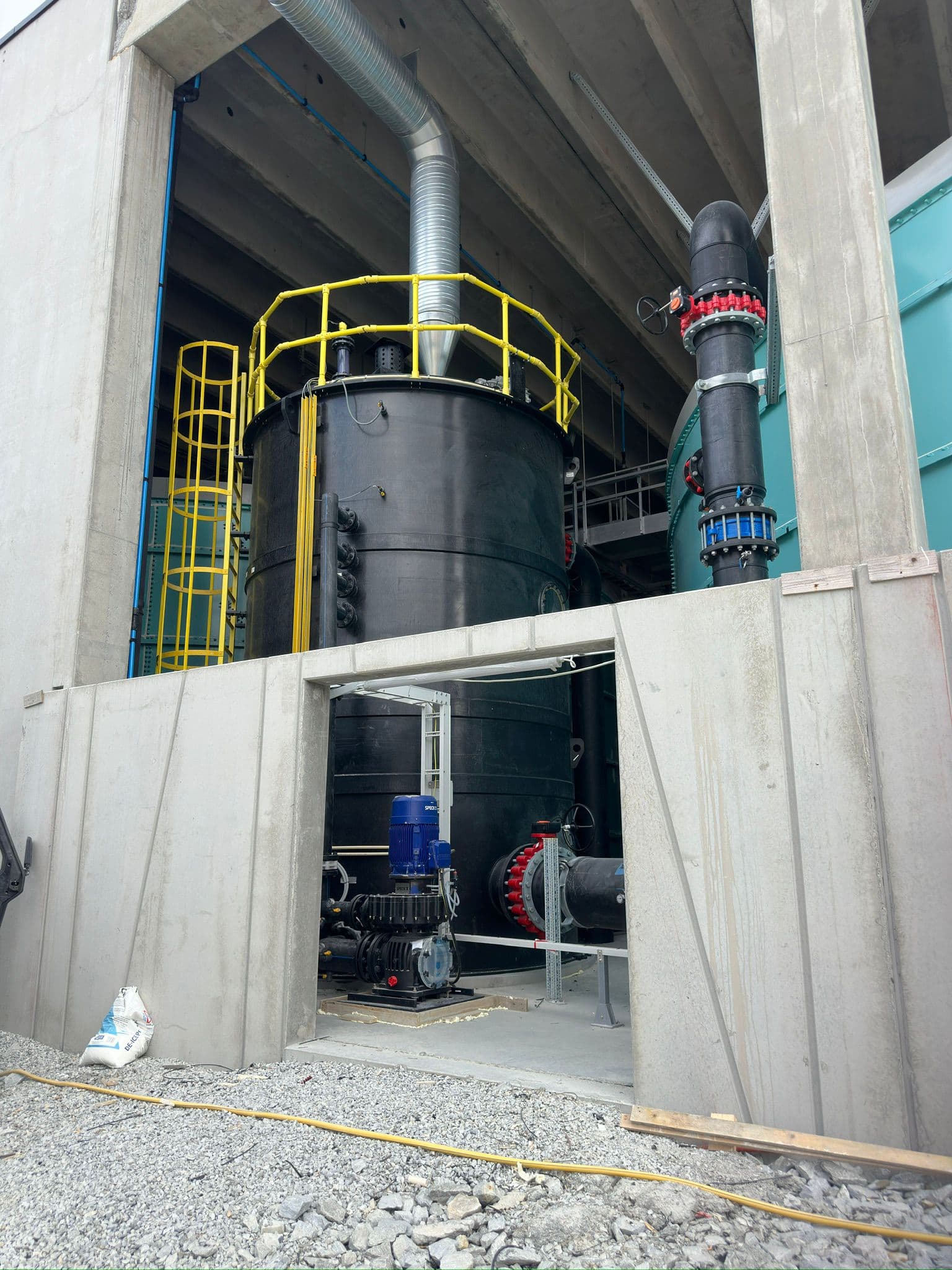
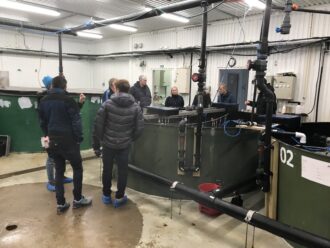
MAT-KULING Water Treatment now has its field team in place at Arctic Seafarm at Nesna. The team will install what will be the world’s largest prefabricated degassing tower for a land-based hybrid flow-through plant. The work is being carried out together with Eyvi, which is the turnkey supplier of the processing plant.
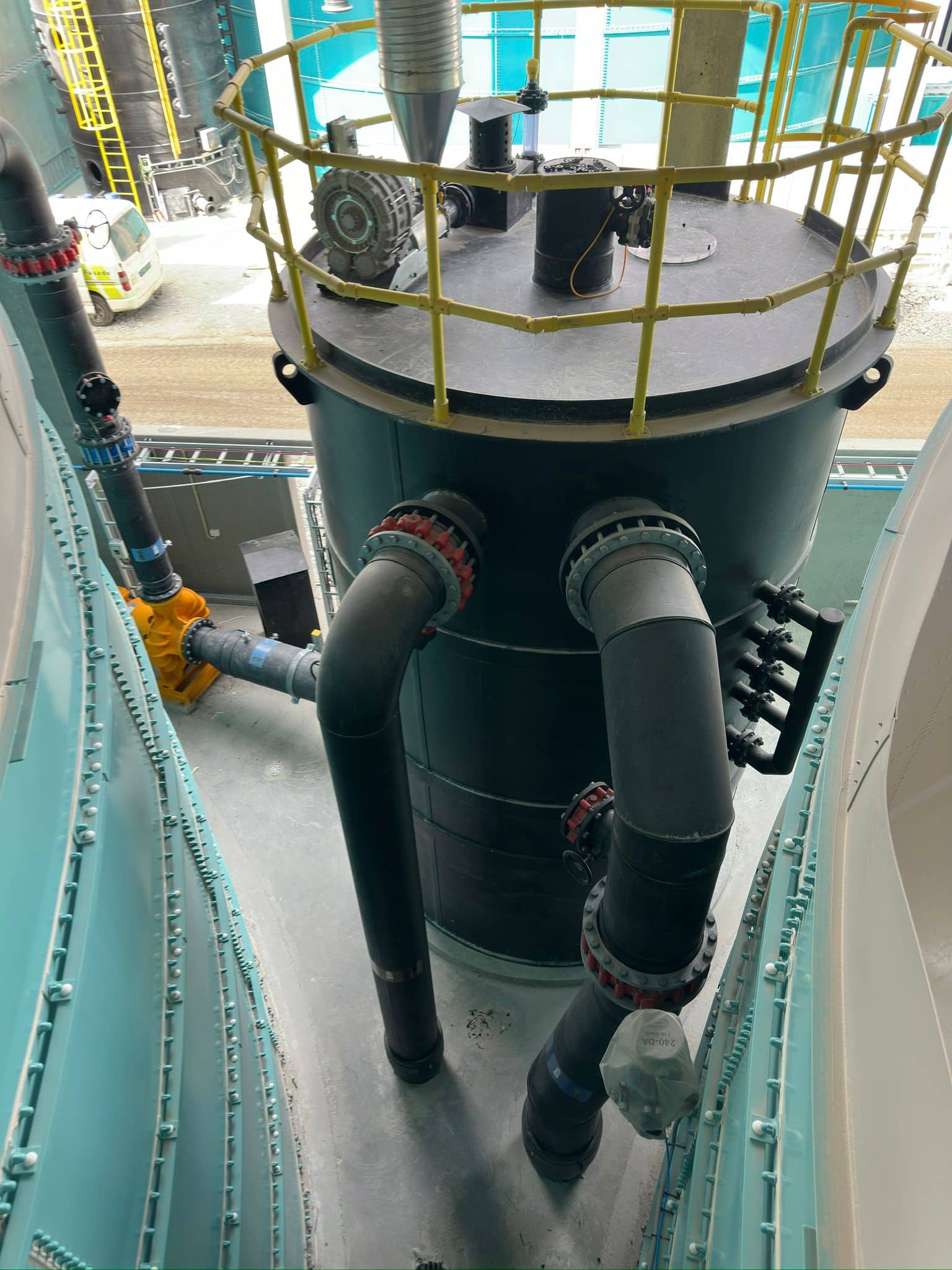
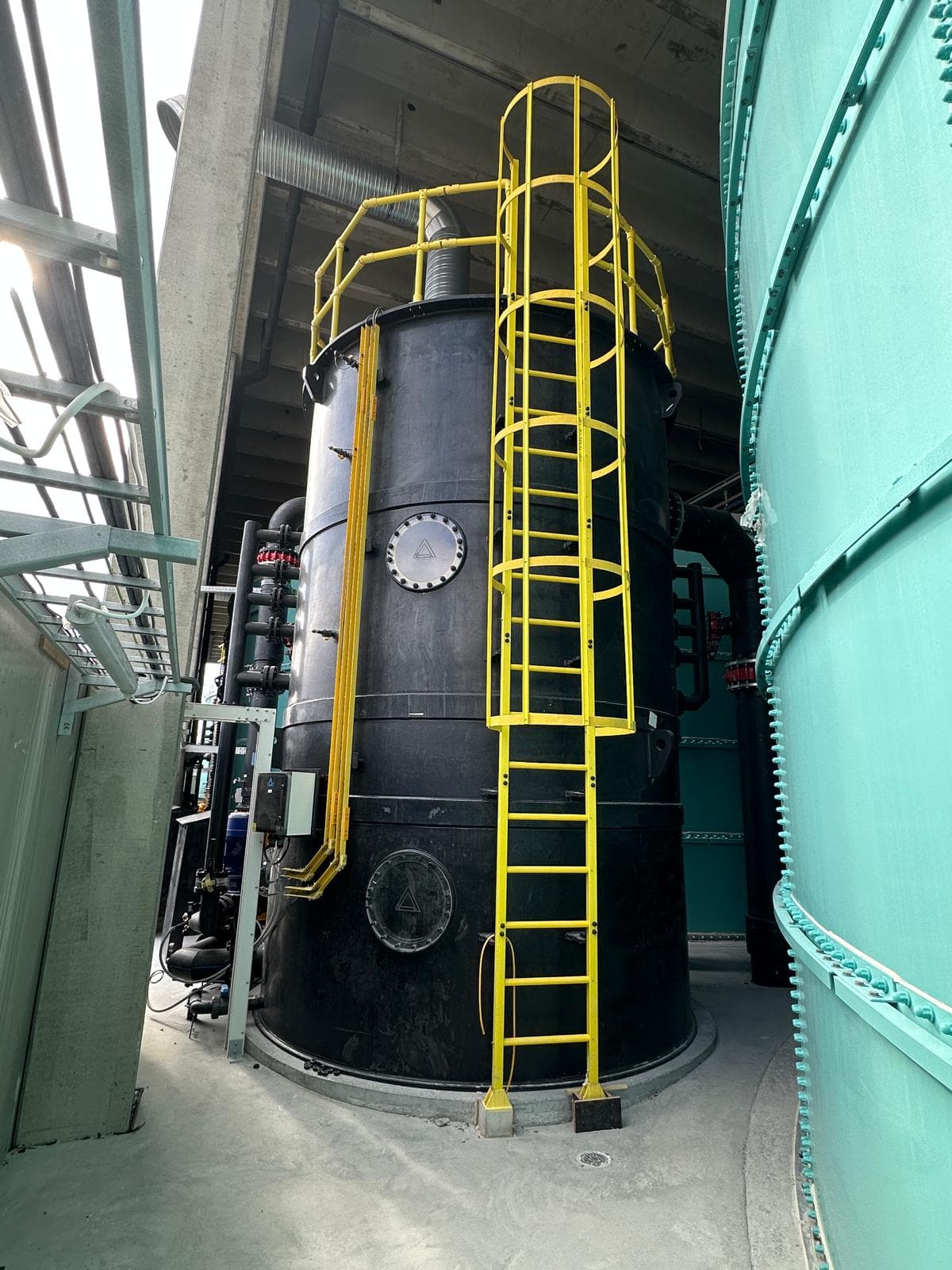
The project includes 57 degassing towers with diameters ranging from 3.6 meters to 4.2 meters and tower heights between 5.2 m and 6.8 m. The system will process approximately 55,000 cubic meters of seawater per hour for efficient removal of CO₂ and nitrogen N₂.
The project includes both atmospheric and vacuum-based degassing solutions, and all are equipped with automatic washing systems for stable long-term operation, and reduced maintenance.
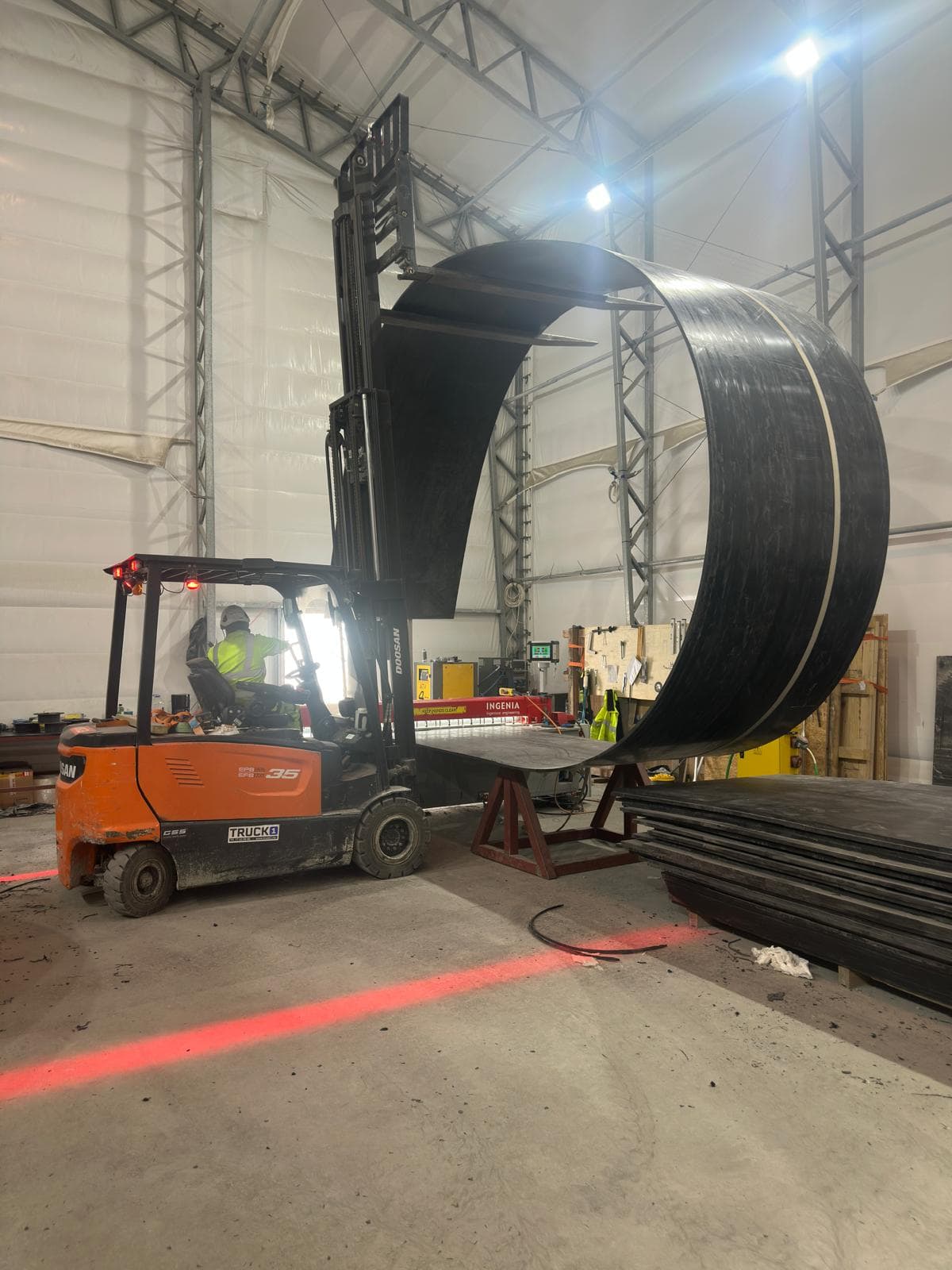
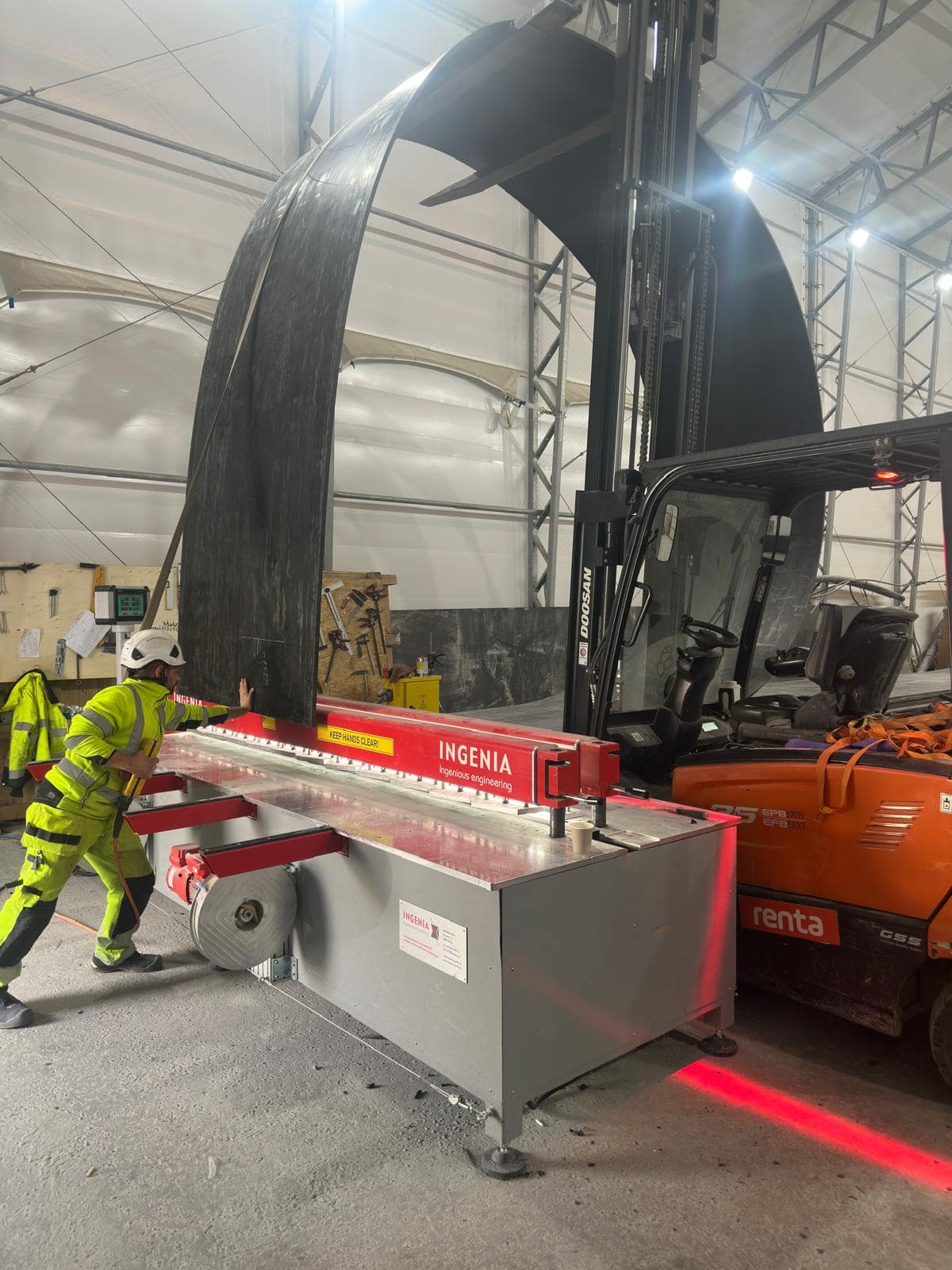
The towers are prefabricated at MAT-KULING’s factory, while final assembly, sheet metal bending and welding operations are carried out at ARCTIC SEAFARM at Nesna. Due to the size of the towers, it is not possible to transport pre-assembled units by land or sea. The solution is therefore based on module-based prefabrication, where the components are assembled on site, a method widely used by MAT-KULING.
“This project is a good example of how prefabricated and modular solutions enable the installation of very large water treatment systems directly on site. It is expected that Arctic Seafarm Nesna will be among the most efficient of its kind, and it will be an important reference for our further investment in the aquaculture industry.
Bjørn Dørum
Important for fish health and water quality
The reason why Arctic Seafarm chooses this degassing solution is the need to reduce the level of carbon dioxide in the seawater. Seawater contains almost 50 times more CO₂ than air, and high concentrations can have a negative impact on fish welfare and production conditions. Removing CO₂ contributes to:
- Better fish health and welfare, by reducing the risk of physiological stress in the fish. Research shows that salmon react negatively to elevated CO₂ levels long before visible damage occurs. Removing CO₂ reduces stress, and contributes to increased growth and well-being of the fish.
- Stable and good water quality, the plant at Nesna is a flow-through facility, which in combination with efficient degassing ensures stable and good water conditions for the fish.